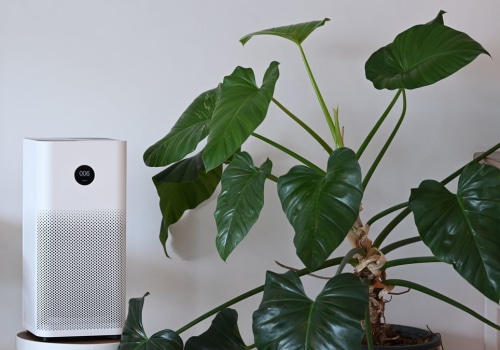
In an age where we spend a significant portion of our lives indoors, the quality of the air we breathe has become a pressing concern. Air purifiersAir purifiers have emerged as a popular solution for improving indoor air quality, but many people still wonder: what exactly is an air purifier? At its core, an air purifier is a device designed to remove contaminants from the air in a room or an entire home. These devices can effectively filter out a variety of pollutants, including dust, pollen, pet dander, smoke, and even certain bacteria and viruses.Understanding how air purifiers work is essential to appreciating their benefits. Most air purifiers utilize a combination of filters and technologies to capture and neutralize airborne particles.
The most common type of filter is the HEPA (High-Efficiency Particulate Air) filter, which can trap particles as small as 0.3 microns with an efficiency of 99.97%. This means that allergens and pollutants that can trigger respiratory issues are significantly reduced in your living space. Some models also incorporate activated carbon filters to absorb odors and volatile organic compounds (VOCs), further enhancing the air purification process.The benefits of using an air purifier extend beyond just cleaner air. For individuals suffering from allergies or asthma, these devices can provide much-needed relief by reducing exposure to triggers.
Additionally, improved indoor air quality can lead to better sleep, increased productivity, and overall enhanced well-being. With the rise in awareness about indoor pollution sources—such as household cleaning products, mold, and even outdoor pollutants entering our homes—investing in an air purifier has become a proactive step towards creating a healthier living environment.
Common Myths About Air Purifiers
When it comes to air purifiers, there are numerous myths and misconceptions that can cloud the judgment of potential buyers. Understanding these myths is crucial for making informed decisions about indoor air quality. Here, we will debunk some of the most common myths surrounding air purifiers.Myth 1: Air Purifiers Eliminate All Pollutants
One of the most prevalent misconceptions is that air purifiers can remove every type of pollutant from the air.
While these devices are effective at capturing a range of particles, including dust, pollen, and pet dander, they are not a catch-all solution. For instance, gases such as volatile organic compounds (VOCs) and certain odors may not be effectively filtered out by standard HEPA filters. To address this, some air purifiers incorporate activated carbon filters, which can help absorb these gases. However, it’s essential to choose an air purifier designed for your specific needs.
Myth 2: Air Purifiers Can Replace Proper Ventilation
Another common myth is that air purifiers can serve as a substitute for proper ventilation in your home.
While they can significantly improve indoor air quality by reducing airborne particles, they do not provide fresh outdoor air. Proper ventilation is crucial for maintaining a healthy indoor environment, as it helps to dilute indoor pollutants and bring in fresh air. Relying solely on an air purifier without adequate ventilation can lead to a buildup of harmful gases and moisture.
Myth 3: All Air Purifiers Are the Same
Not all air purifiers are created equal. Many consumers mistakenly believe that any air purifier will suffice for their needs.
In reality, there are various types of air purifiers with different technologies and filtration systems. For example, HEPA filters are highly effective for capturing small particles but may not address odors or chemical vapors. On the other hand, ionizers can produce ozone as a byproduct, which can be harmful to health. It’s vital to research and select an air purifier that aligns with your specific requirements.
Myth 4: Air Purifiers Are Noisy
Some people avoid purchasing air purifiers due to the belief that they are excessively noisy.
While older models may have been louder, advancements in technology have led to the development of quieter units that operate efficiently without disturbing your daily activities or sleep. Many modern air purifiers come equipped with noise-reduction features and multiple fan speeds, allowing you to choose a setting that suits your comfort level.By debunking these myths, consumers can make more informed choices when searching for the best air purifier near me. Understanding the limitations and capabilities of these devices is essential for improving indoor air quality effectively.
The Science Behind Air Purification
Understanding the science behind air purification is essential for making informed decisions about which air purifier to choose. At the core of most air purifiers is the filtration system, which plays a crucial role in determining how effective the device will be in improving indoor air quality.How Effective Are Air Purifiers?
The effectiveness of air purifiers can vary significantly based on several factors, including the type of filter used, the size of the room, and the specific pollutants present in the environment.Generally, air purifiers are designed to capture airborne particles such as dust, pollen, pet dander, and smoke. However, their efficiency can be quantified using a metric known as Clean Air Delivery Rate (CADR) , which measures the volume of filtered air delivered by the purifier.For instance, a higher CADR rating indicates that an air purifier can remove pollutants more effectively. When searching for the best air purifier near me, it’s advisable to consider models with a CADR rating that matches your room size and specific needs.
HEPA Filters: The Gold Standard
One of the most recognized types of filters is the High-Efficiency Particulate Air (HEPA) filter. These filters are designed to trap at least 99.97% of particles that are 0.3 microns in diameter.This includes common allergens such as pollen, mold spores, and even some bacteria and viruses. The reason HEPA filters are so effective lies in their construction; they consist of a dense mat of fibers that create a maze-like structure for particles to navigate.HEPA filters are particularly beneficial for individuals with allergies or respiratory conditions, as they significantly reduce airborne irritants. However, it’s important to note that while HEPA filters excel at capturing particulate matter, they do not remove gases or odors. For this reason, some air purifiers combine HEPA filters with additional technologies like activated carbon filters to address a broader range of pollutants.
Types of Air Purifiers
There are several types of air purifiers available on the market today:- Mechanical Filters: These include HEPA filters and work by physically trapping particles as air passes through them.
- Activated Carbon Filters: These filters absorb odors and volatile organic compounds (VOCs) through a process called adsorption.
- Ionic Purifiers: These devices release charged ions into the air, which attach to particles and cause them to clump together and fall out of the air.
However, they may produce ozone as a byproduct.
- UV Light Purifiers: These use ultraviolet light to kill bacteria and viruses but are often used in conjunction with other filtration methods for maximum effectiveness.
Health Benefits of Using Air Purifiers
Maintaining clean indoor air is essential for overall health, particularly for individuals suffering from allergies or respiratory conditions. Air purifiers can play a significant role in enhancing indoor air quality, thereby providing various health benefits.Do Air Purifiers Help Allergies?
For those who experience allergies, air purifiers equipped with HEPA (High-Efficiency Particulate Air) filters can be particularly effective. These filters are designed to capture small particles, including pollen, dust mites, and pet dander, which are common allergens found in homes.
By reducing the concentration of these irritants in the air, individuals may experience fewer allergy symptoms such as sneezing, nasal congestion, and itchy eyes.Moreover, air purifiers can help mitigate the effects of seasonal allergies. During peak pollen seasons, running an air purifier can significantly lower the amount of pollen circulating indoors, providing relief for allergy sufferers. This is especially beneficial for those who live in areas with high pollen counts or have windows open frequently.
Air Purifiers and Asthma
Individuals with asthma may also find relief through the use of air purifiers. Asthma attacks can be triggered by various airborne irritants, including smoke, dust, and mold spores.
By filtering out these harmful particles, air purifiers can create a safer indoor environment for asthma patients.Research indicates that using an air purifier can lead to a reduction in asthma symptoms and improve overall lung function. For instance, a study published in the Journal of Allergy and Clinical Immunology found that children with asthma experienced fewer symptoms when exposed to cleaner air through the use of HEPA filters.
Additional Health Benefits
- Reduction of Indoor Pollutants: Air purifiers help eliminate volatile organic compounds (VOCs) and other harmful chemicals that may be present in household products.
- Improved Sleep Quality: Cleaner air can lead to better sleep by reducing nighttime allergens that may disrupt rest.
- Enhanced Overall Well-Being: Breathing cleaner air contributes to better physical health and can enhance mood and cognitive function.
Choosing the Right Air Purifier for Your Needs
When it comes to selecting the best air purifier near me, understanding your specific needs is crucial. Not all air purifiers are created equal, and the right choice can significantly impact your indoor air quality.Here are some essential factors to consider when choosing an air purifier:
- Room Size: One of the first things to consider is the size of the room where you plan to use the air purifier. Air purifiers come with a Clean Air Delivery Rate (CADR) rating, which indicates how effectively they can clean the air in a given space. Make sure to choose a model that is suitable for the square footage of your room.
- Filter Type: The type of filter used in an air purifier plays a significant role in its effectiveness. HEPA filters are highly recommended as they can capture 99.97% of particles that are 0.3 microns or larger, including dust, pollen, and pet dander.
Some models also include activated carbon filters that help eliminate odors and volatile organic compounds (VOCs).
- Noise Level: Depending on where you plan to use the air purifier, noise level can be an important factor. Look for models that offer a range of fan speeds and operate quietly, especially if you intend to use it in a bedroom or office.
- Maintenance Costs: Consider the long-term costs associated with maintaining your air purifier. This includes the price of replacement filters and any additional maintenance required. Some models may have higher upfront costs but lower maintenance expenses over time.
- Certifications: Look for air purifiers that have been certified by reputable organizations such as the Association of Home Appliance Manufacturers (AHAM) or have undergone testing by independent labs.
These certifications can provide assurance regarding the performance and safety of the device.
Air Purifier Maintenance and Usage Tips
To ensure that your air purifier operates at peak efficiency, regular maintenance and proper usage are essential.Here are some practical tips to help you maintain your air purifier and maximize its benefits.
How to Maintain an Air Purifier
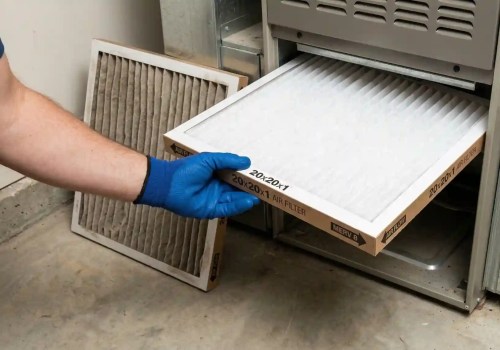
- Change Filters Regularly: One of the most critical aspects of air purifier maintenance is changing the filters as recommended by the manufacturer. Most HEPA filters should be replaced every 6 to 12 months, while pre-filters may need more frequent changes. Neglecting this can lead to reduced airflow and decreased effectiveness.
- Clean the Unit: Dust and debris can accumulate on the exterior and interior components of your air purifier. Wipe down the surfaces with a damp cloth regularly, and use a vacuum with a brush attachment to clean any accessible areas.
This helps maintain airflow and prevents dust from re-entering the air.
- Check for Blockages: Ensure that the air intake and outlet are free from obstructions. Furniture, curtains, or other objects can impede airflow, reducing the purifier's efficiency. Position your unit in a location where it has ample space to circulate air.
- Monitor Performance: Many modern air purifiers come equipped with indicators that alert you when it's time to change filters or if there’s an issue with the unit. Pay attention to these alerts to keep your device functioning optimally.
Tips for Using an Air Purifier Effectively
- Choose the Right Size: Ensure that your air purifier is appropriately sized for the room where it will be used.
A unit that is too small will struggle to clean the air effectively, while one that is too large may be unnecessarily costly.
- Run Continuously: For best results, keep your air purifier running continuously, especially in high-pollution environments or during allergy seasons. This allows it to filter out pollutants consistently rather than just during specific times.
- Close Windows and Doors: To maximize efficiency, run your air purifier in a closed room. Open windows and doors can allow outdoor pollutants to enter, diminishing the effectiveness of your device.
Common Mistakes with Air Purifiers
- Ignoring Maintenance: Failing to replace filters or clean the unit can lead to poor performance. Make it a habit to check your air purifier regularly.
- Using It as a Sole Solution: While air purifiers can significantly improve indoor air quality, they should not be relied upon as the only method of maintaining a healthy environment.
Regular cleaning and proper ventilation are also crucial.
- Overlooking Placement: Placing an air purifier in a corner or behind furniture can limit its effectiveness. Position it in an open area for optimal airflow.
Environmental Impact of Air Purifiers
When considering the purchase of an air purifier, it is essential to evaluate not only its effectiveness in improving indoor air quality but also its environmental impact. This includes understanding the energy consumption associated with these devices and the importance of selecting eco-friendly options.Energy Consumption of Air Purifiers
Air purifiers, like any electrical appliance, consume energy. The amount of energy used can vary significantly based on the model, size, and features.
Most air purifiers operate continuously to maintain clean air, which can lead to increased electricity bills. On average, a standard air purifier may use between 30 to 100 watts per hour. To put this into perspective:
- A unit running for 24 hours at 50 watts would consume about 1.2 kilowatt-hours (kWh) daily.
- Over a month, this could translate to approximately 36 kWh, depending on your local electricity rates.
Eco-Friendly Air Purifiers
In addition to energy efficiency, the materials and technologies used in air purifiers can also impact their environmental footprint.
Many traditional air purifiers utilize filters that need to be replaced regularly, contributing to waste. However, there are eco-friendly alternatives available:
- HEPA Filters: While effective at trapping pollutants, HEPA filters can be made from recyclable materials. Look for brands that offer recycling programs for used filters.
- Activated Carbon Filters: These filters can help reduce odors and volatile organic compounds (VOCs). Some manufacturers provide options for reactivation or replacement with biodegradable materials.
- UV-C Light Technology: Some air purifiers use UV-C light to kill bacteria and viruses without the need for chemical treatments or excessive waste.
By selecting models that are energy-efficient and made from eco-friendly materials, you can enjoy cleaner air while minimizing your ecological footprint.In conclusion, while air purifiers can significantly enhance indoor air quality, it is crucial to consider their environmental impact. By being mindful of energy consumption and opting for eco-friendly models, you can make a responsible choice that benefits both your health and the environment.
Frequently Asked Questions About Air Purifiers
When considering the purchase of an air purifier, many potential buyers have questions that can significantly influence their decision. Below are some of the most frequently asked questions about air purifiers, along with clear and concise answers to help you make an informed choice.1.Do I really need an air purifier?
The necessity of an air purifier largely depends on your individual circumstances. If you or your family members suffer from allergies, asthma, or other respiratory issues, an air purifier can be a valuable addition to your home.These devices are particularly effective at removing allergens such as pollen, pet dander, and dust mites from the air. Additionally, if you live in an area with high levels of pollution or smoke, an air purifier can help improve your indoor air quality.
2.What types of air purifiers are available?
There are several types of air purifiers on the market, each utilizing different technologies:- HEPA Filters: These are among the most effective for capturing small particles and allergens.
- Activated Carbon Filters: Ideal for removing odors and gases.
- Ionic Purifiers: Use charged ions to attract particles but may produce ozone.
- UV Light Purifiers: Use ultraviolet light to kill bacteria and viruses.
3.How do I choose the best air purifier for my needs?
When selecting an air purifier, consider the following factors:- Room Size: Ensure the purifier is rated for the size of the room where it will be used.
- Filter Type: Choose a filter that meets your specific needs (e.g., HEPA for allergens).
- Noise Level: Check the decibel rating if noise is a concern.
- Maintenance Costs: Factor in the cost of replacement filters and energy consumption.
4.How often should I replace the filters?
The frequency of filter replacement varies by model and usage. Generally, HEPA filters should be replaced every 6 to 12 months, while activated carbon filters may need replacement every 3 to 6 months. Always refer to the manufacturer's guidelines for specific recommendations.5.Can air purifiers eliminate all indoor pollutants?
No single air purifier can remove all types of indoor pollutants.While they are effective at capturing many airborne particles and allergens, some pollutants like volatile organic compounds (VOCs) may require specialized filters or additional ventilation strategies. Therefore, it’s essential to use air purifiers as part of a broader approach to maintaining good indoor air quality.By addressing these common questions, we hope to clarify any doubts you may have about investing in an air purifier. Understanding your specific needs and how these devices work can lead you to make a more informed decision that enhances your indoor environment.
Conclusion: Making an Informed Decision on Air Purifiers
As we conclude our exploration of air purifiers, it is essential to reflect on the key insights we've gathered. The decision to invest in an air purifier should not be taken lightly; it requires careful consideration of various factors that can significantly impact your indoor air quality and overall health.First and foremost, understanding the specific needs of your household is crucial.If you or your family members suffer from allergies, asthma, or other respiratory issues, a high-quality air purifier equipped with a HEPA filter can be a valuable addition to your home. These filters are designed to capture fine particles that can trigger allergic reactions and respiratory problems, thereby improving your living environment.Moreover, it is vital to recognize that while air purifiers can enhance indoor air quality, they are not a panacea. They should be part of a comprehensive approach to maintaining a healthy home. Regular cleaning, proper ventilation, and minimizing sources of indoor pollution are equally important in creating a safe and healthy living space.When searching for the best air purifier near me, consider looking for models that have been certified by reputable organizations such as the Association of Home Appliance Manufacturers (AHAM).
This certification often includes a Clean Air Delivery Rate (CADR) rating, which indicates the effectiveness of the purifier in removing specific pollutants from the air.Additionally, be cautious about the type of air purifier you choose. While some models may produce ozone or other harmful byproducts, opting for filter-based systems can mitigate these risks. Always read reviews and consult expert recommendations to ensure you select a model that aligns with your health needs and safety standards.In summary, making an informed decision about purchasing an air purifier involves understanding both its benefits and limitations. By evaluating your specific circumstances and conducting thorough research, you can choose an air purifier that not only meets your needs but also contributes positively to your indoor environment.
Remember, investing in clean air is investing in your health and well-being.